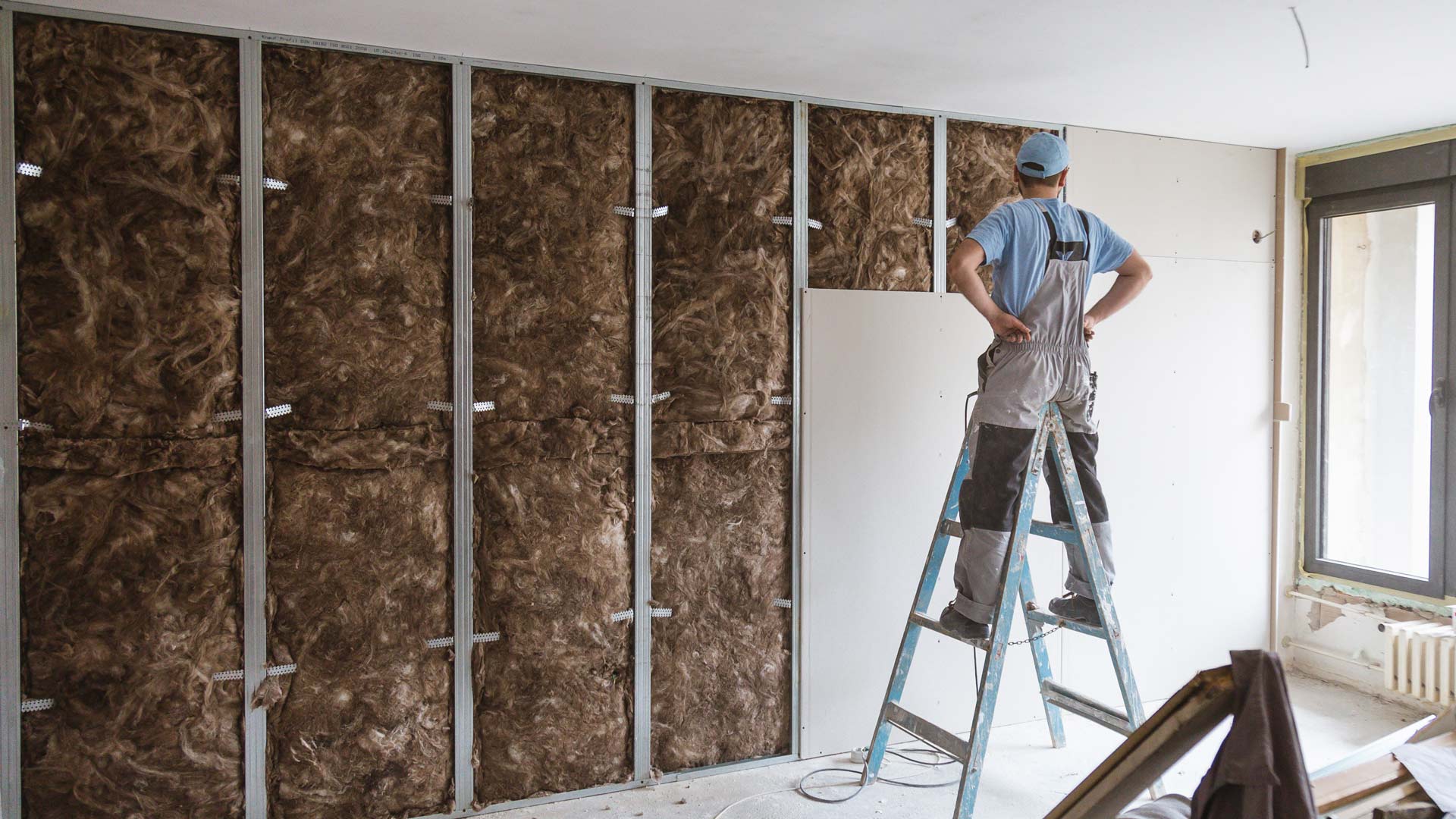
What Type of Plasterboard Do I Need? A Perth Homeowner's Room-by-Room Guide
Walk into a building supplies store and ask for 'some plasterboard' and you will quickly discover there is not just one type.
Standard. Moisture resistant. Acoustic. Fire resistant. Impact resistant. Ceiling boards.
They may look similar stacked on a pallet, but they are designed to do very different jobs. If you are renovating or owner-building in Perth, choosing the right board before it goes on the wall can save a lot of frustration later.
Bedrooms and General Living Areas
For many ordinary internal walls and ceilings where there are no special moisture, fire or acoustic requirements, standard plasterboard is the starting point.
- bedrooms
- hallways
- living areas
- dining rooms
- general internal walls
But 'standard room' does not always mean 'standard requirements'. A bedroom beside a noisy living room, for example, might benefit from an acoustic system. A wall forming part of a required fire-rated construction needs to follow the specified fire-rated system.
Bathrooms, Ensuites and Laundries
Bathrooms and laundries create moisture and humidity that ordinary living areas do not experience. Moisture-resistant plasterboard is specifically manufactured for wet-area applications and is commonly used as part of compliant systems in bathrooms, laundries, ensuites and toilets.
Moisture resistant does not mean 'no waterproofing required'. Wet areas must still be constructed in accordance with applicable waterproofing requirements and the manufacturer's installation system.
Kitchen
Kitchens are interesting because different parts of the room experience different conditions.
- where water exposure will occur
- whether tiles will be installed
- what substrate the selected finish requires
- whether adjoining rooms create acoustic requirements
It is much easier to make those decisions on the material list than halfway through installation.
Home Theatre
If you are building a home theatre, gaming room or media room, sound transmission becomes part of the design. Acoustic plasterboard is designed to improve sound-control performance when incorporated into an appropriate wall or ceiling system.
- acoustic plasterboard
- insulation within the cavity
- framing configuration
- multiple layers where specified
- correct sealing and fixing
- treatment of penetrations, doors and other weak points
Simply buying an 'acoustic board' does not magically soundproof a room. The complete construction matters.
Home Office or Study
If your office sits beside the kitchen, living room or children's bedroom, controlling noise may be worth considering before the walls are closed. An acoustic wall system can help reduce sound transfer between rooms and create a more usable workspace.
Garage
Garages can create several different requirements depending on their relationship to the house and the building design. A garage wall or ceiling may form part of a construction requiring specific fire performance.
Where a fire-rated system is specified, the complete tested system matters - including board type, number of layers, framing, fixings, joints and penetrations. Always follow the project's plans, relevant building requirements and manufacturer system specifications.
Walls Between Bedrooms and Bathrooms
Imagine one wall with a bedroom on one side and an ensuite on the other. One side has moisture considerations; the other may have acoustic considerations.
When a wall needs to do more than one job, tell your supplier what you are actually building rather than simply asking for 'bathroom board'.
High-Traffic Areas
Hallways, playrooms, garages and busy family areas can take more knocks than a quiet bedroom. Where durability is a priority, impact-resistant or higher-density plasterboard may be worth considering.
- furniture movement
- children's activities
- equipment
- frequent traffic
- everyday bumps and knocks
The cheapest board is not always the cheapest wall if you are repairing it repeatedly.
Ceilings
Sheet thickness, framing centres, room conditions and the ceiling system all influence product selection. Some boards are specifically designed for ceiling applications, while wet areas, fire-rated constructions and acoustic ceilings may have additional requirements.
A Simple Way to Choose
Instead of starting with 'Which plasterboard is cheapest?', start with 'What does this wall or ceiling need to do?'
- Moisture present? Consider an appropriate wet-area system.
- Noise a concern? Look at acoustic systems.
- Fire performance specified? Follow the specified tested fire-rated system.
- Regular knocks? Consider impact resistance.
- Normal internal rooms with no special requirements? Standard plasterboard may be appropriate.
Don't Choose the Board in Isolation
The board is only part of the finished wall.
- framing
- insulation
- screws and fixings
- jointing compounds
- adhesives where applicable
- trims and beads
- waterproofing systems in wet areas
- the final finish
Buying everything as a system rather than as unrelated products helps reduce forgotten items and compatibility problems.
Bring Your Plans - Not Just Your Shopping List
If you are owner-building or renovating, it helps to bring room dimensions, plans where available, wall and ceiling measurements, details of wet areas, any acoustic or fire requirements and the finishes you intend to apply.
Get the Right Board Before It Goes on the Wall
Different rooms place different demands on the materials behind the finished surface. Getting those decisions right at the ordering stage is easier than discovering after installation that a wall needed moisture, acoustic, impact or fire performance that was not considered.
Building Supplies WA supplies plasterboard, framing, insulation, compounds, fixings and other building materials for projects across Perth.
Visit our Wanneroo or Midland store, or talk to our team about the materials you need for your project.
Contact Us